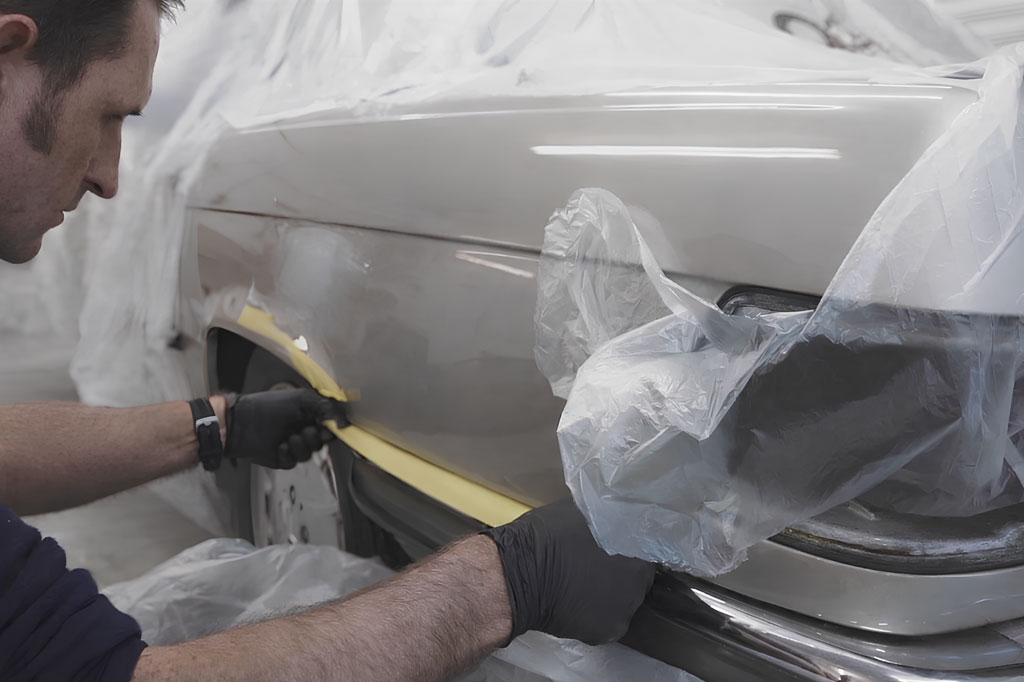
Automotive panels—whether steel, aluminum, or coated surfaces—are highly susceptible to scratches during manufacturing and handling. Even minor surface damage can compromise visual quality, reduce corrosion resistance, and lead to costly rework or rejection.
As automotive design trends increasingly emphasize high-gloss finishes, brushed textures, and coated surfaces, preventing scratches has become a critical priority across the production chain.
This article outlines practical strategies to minimize surface damage during automotive panel processing, from material handling to protective solutions.
1. Understand Where Scratches Occur
The first step in prevention is identifying high-risk stages in the production process. Scratches commonly occur during:
- Material transportation (loading/unloading, stacking)
- Cutting and stamping processes
- Bending and forming operations
- Assembly and welding
- Storage and internal logistics
Contact with hard surfaces, sharp edges, or contaminated equipment (e.g., metal debris) can easily damage panel surfaces. Recognizing these touchpoints allows manufacturers to implement targeted protection measures.
2. Use Temporary Protective Films
One of the most effective solutions is applying temporary protective films to panel surfaces.
Key Benefits:
- Barrier protection: Prevents direct contact with tools, rollers, and workers
- Scratch resistance: Absorbs friction during forming and handling
- Surface preservation: Maintains original finish (mirror, painted, coated)
Important Features to Consider:
- Stable adhesion: Ensures the film stays in place during processing
- Clean removal: Leaves no residue after peeling
- Heat resistance: Suitable for processes like laser cutting or stamping
- Custom thickness: Matches different processing intensities
Protective films are especially critical for aluminum panels and pre-painted steel, which are more vulnerable to visible damage.
3. Optimize Handling and Storage Practices
Improper handling is a major cause of scratches. Implementing standardized procedures can significantly reduce risks.
Best Practices:
- Use soft-contact materials: Replace metal racks with rubber-coated or plastic supports
- Avoid direct stacking: Use separators such as foam sheets or non-woven fabrics
- Train operators: Ensure proper lifting techniques to avoid dragging panels
- Minimize manual contact: Reduce unnecessary handling through automation
Keeping the workspace clean is equally critical, as dust, metal particles, and debris can cause micro-scratches by acting as abrasives.
4. Maintain Equipment and Tooling
Processing equipment must be regularly inspected and maintained to prevent surface damage.
Key Actions:
- Polish and smooth contact surfaces (rollers, dies, molds)
- Remove burrs and sharp edges from tooling
- Replace worn components that may cause uneven pressure or friction
- Ensure proper alignment to avoid unintended contact points
Even minor imperfections in tooling can translate into visible scratches on high-quality automotive panels.
5. Control Process Parameters
Optimizing processing conditions can reduce the likelihood of scratches during manufacturing.
Considerations:
- Adjust pressure levels during stamping or forming to prevent excessive friction
- Control speed and feed rates to ensure smooth material flow
- Use appropriate lubricants to reduce friction between tools and panels
Lubrication, in particular, plays a vital role in minimizing direct surface contact and preventing abrasion.
6. Implement Protective Packaging
Surface protection should continue beyond production into storage and transportation.
Packaging Solutions:
- PE films or stretch wraps for outer protection
- Foam padding or corner protectors to prevent edge damage
- Custom pallets and crates designed for panel dimensions
- Anti-slip materials to prevent shifting during transit
Proper packaging ensures that panels arrive at the next stage—or the customer—without damage.
7. Quality Inspection and Continuous Improvement
Regular inspection helps detect issues early and improve processes over time.
Recommended Practices:
- Visual inspections under proper lighting
- Surface roughness testing for critical components
- Root cause analysis of recurring defects
- Feedback loops between production and quality teams
Continuous monitoring and process optimization enable manufacturers to reduce defect rates and enhance overall product quality.


